Just a fat blog for a tiny girl.

Author: kknappett (Page 2 of 2)

Sourdough Attempt 1

For my inquiry project, I decided to do some experimenting in the kitchen! Initially it was just going to be a bread making journey but I have decided to expand and include other projects in the kitchen that I have never tried and/or require time and research. I am really excited about this, I like the idea of creating things from scratch. Some ideas I have are making butter, jam, and pasta.

My initial goals are to push past the idea of being successful right away and building mental resilience in the kitchen! I also want to be more comfortable with different sets of tools and items in the kitchen, as well as understand what goes into some of the items we eat. I will be utilizing instagram/tik tok the most honestly, because I find it really helpful seeing how they make it too and I like reading the comments to see other peoples experiences and thoughts. Then google will also be helpful as well to find quick answers.

For my first week I am attempting sourdough! My friend’s mom gave me some starter to try making sourdough (shout out Karen!). I made it one time a few weeks ago in Calgary and honestly I think it went pretty well for a first time ever. That was with Caputo’s Semola flour but now in Victoria I could only find Semolina flour by La Famiglia. I looked up the difference and this one is not as fine, better for pasta but could still be used the same. So I went for it.

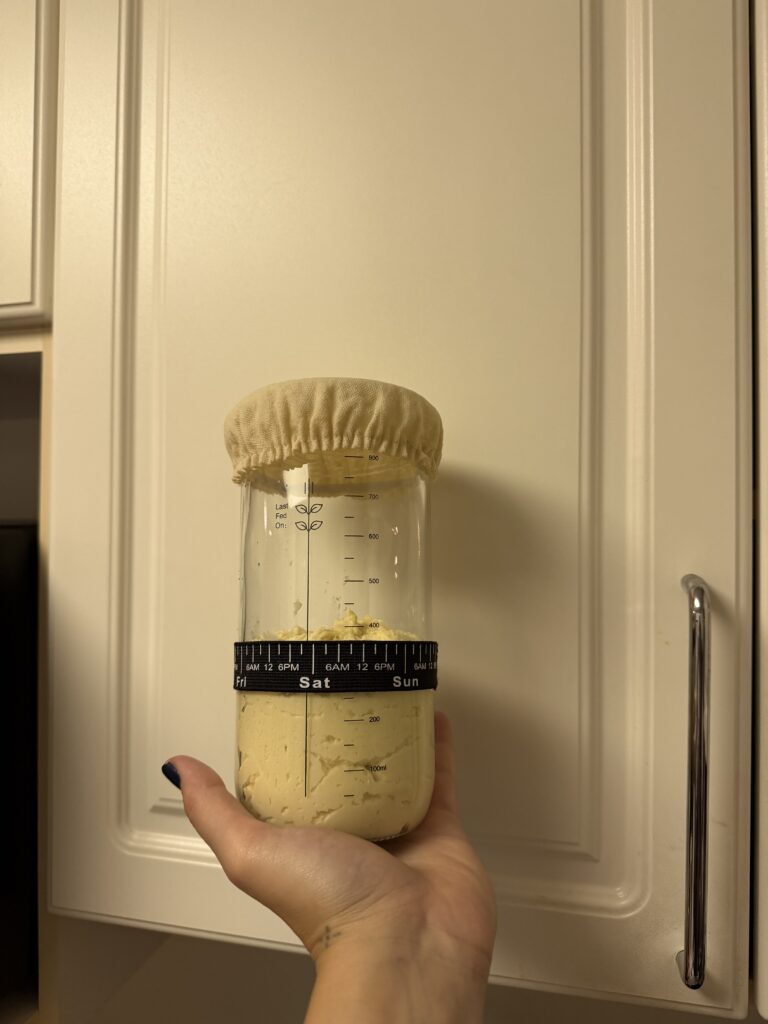
I fed my starter. Everything I do I follow these step by step instructions that my friends mom gave me. So the ratio I used was 1/2 cup starter, 1/2 cup water, 1 cup flour (1:1:2). I get a lot of videos on my instagram about other suggestions throughout this process and I want to implement that into future attempts but I have to try it the way I was told first with this new flour. I noticed with this dough that the mixture is a bit denser, I can see that the different coarseness is making a difference in the texture. Nothing I can do about that so after I feed the starter I put it back in its jar, mark how far up the starter is, then leave it to double or triple on the counter with his chefs hat dampened up.
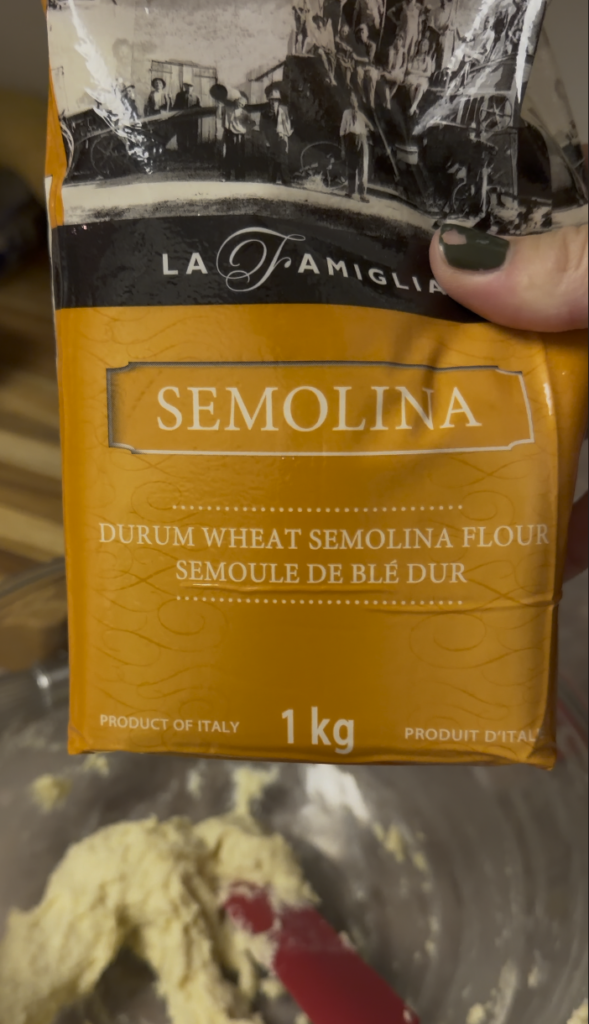
Flour I used
Starter that was fed and left to double

After it doubled, I mixed 1/3 c of starter and 1 and 7/8 c of water together until it was milky and shaggy. Then I added 2 tsp of salt, mixed that then added 4 c of flour. Then I covered in a damp tea towel and left it for 15 minutes. After 15 minutes I did a round of stretch and folds then let it rest again for 15 more minutes. I did this 3 more times then finally left it to rest on the counter overnight.
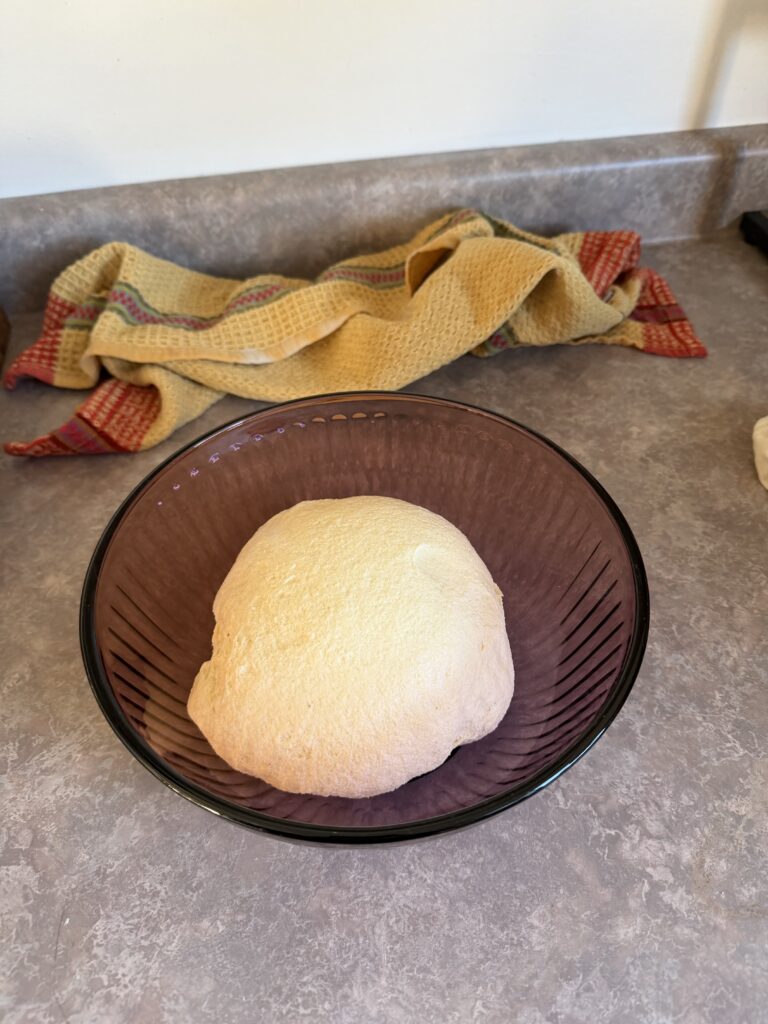
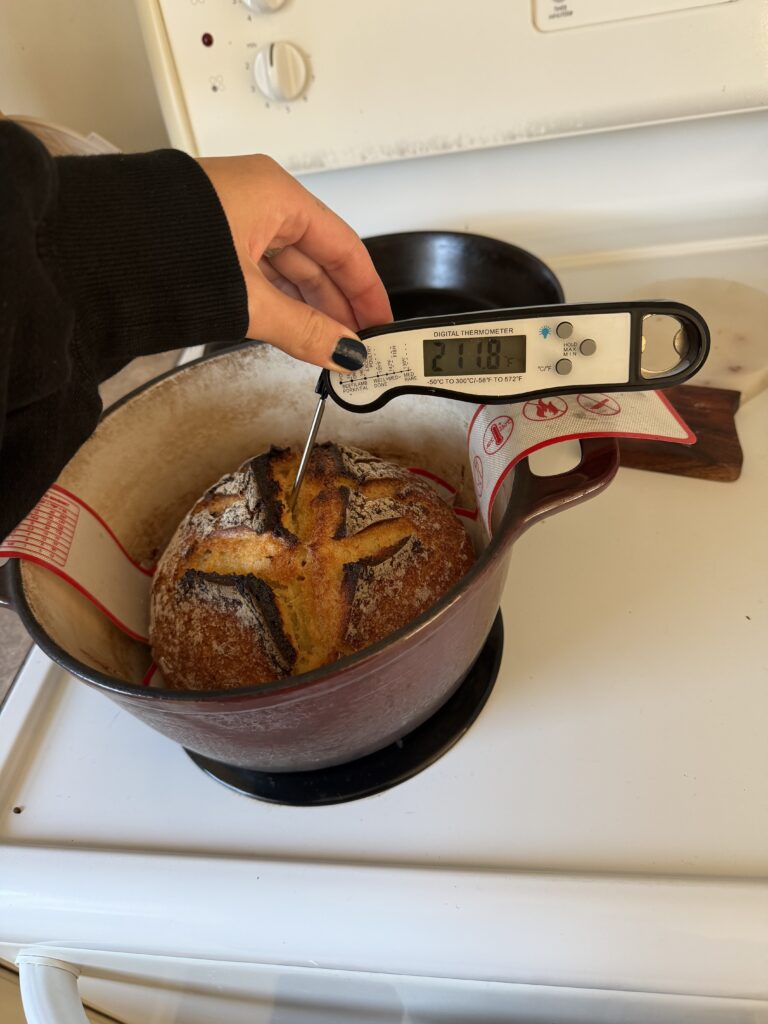
The next day I shaped the bread dough by tucking it around until it forms a tight ball. This was harder to do because it was stickier than I thought it would be. I think this means I over-proofed it? Meaning I left it on the counter for too long so it ferments for too long and loses its structure. After a quick google I decided to throw it in the oven anyways and see what happens. I preheat the oven to 475˚F with the dutch oven inside for an hour while the bread dough proofed in the fridge. After it proofed, I moved it into the dutch oven, scored it, and baked it. The recipe says to bake with the lid on for 30 minutes then pull the lid off for 15 minutes. However, after I did that I checked the internal temp just to make sure and it was still about 30˚ below what it should have been (around 200˚-210˚ F). So of course I left it in and periodically kept checking on it until it was ready then let it cool down for an hour outside the dutch oven.
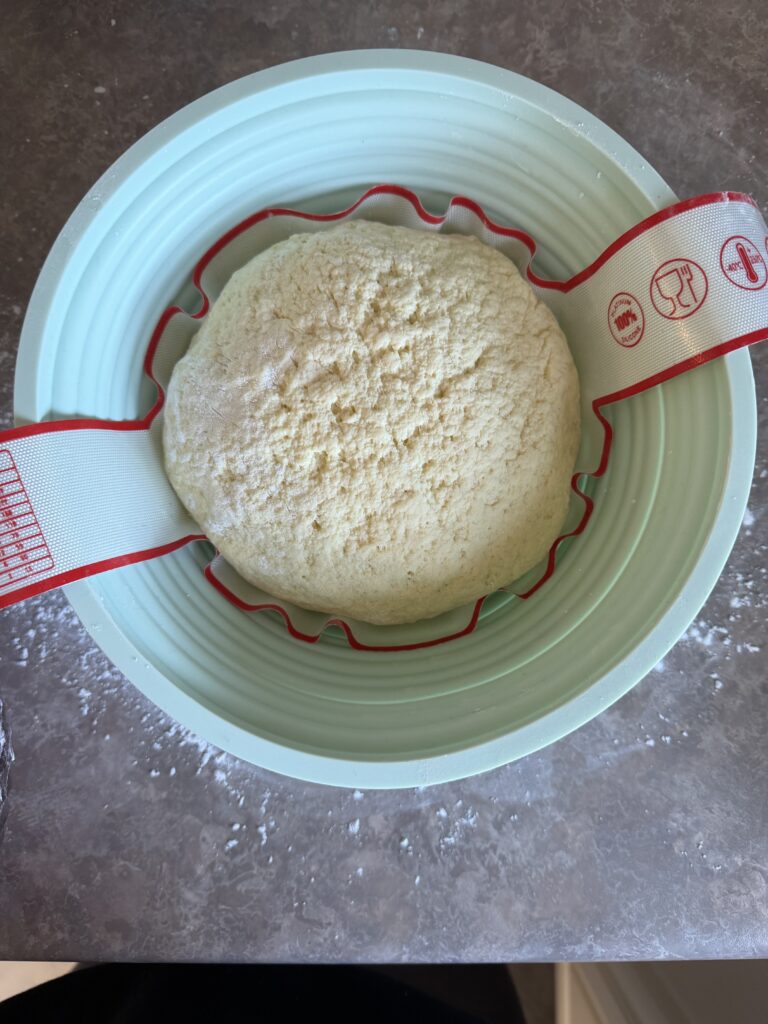
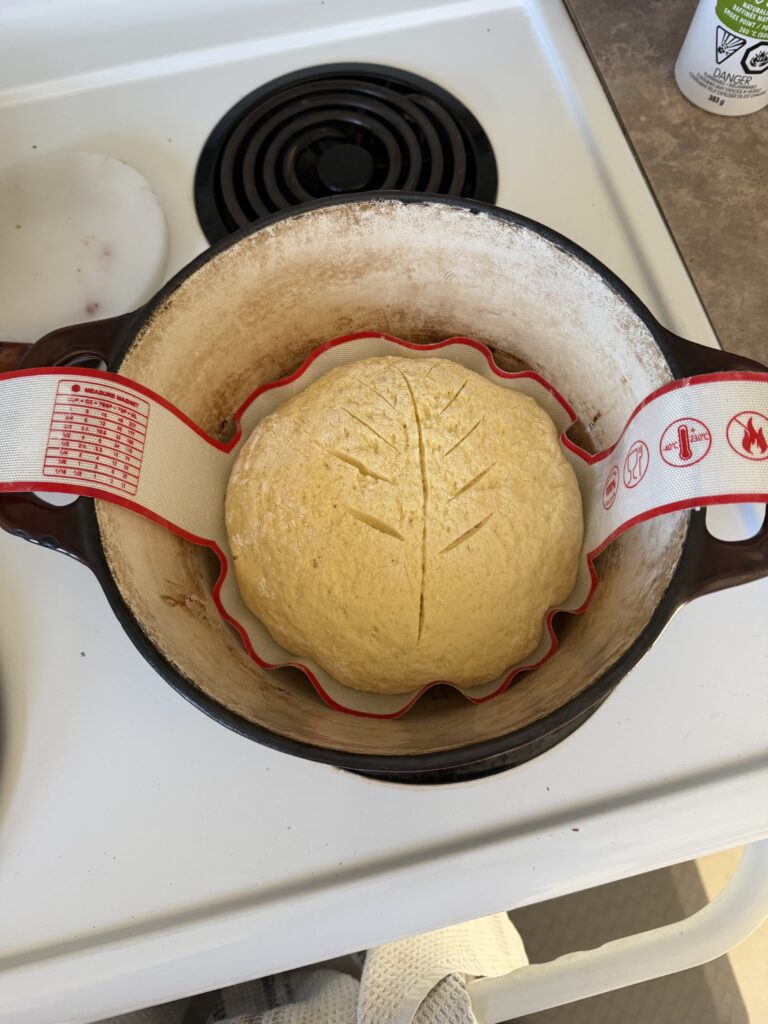
There is what is called a “knock-test” where you knock on the bottom and if it sounds hollow, then the sourdough is fully baked. Apparently you are supposed to do this after it comes out of the oven but I did it after it cooled. As you can hear below…. not very hollow. That is when you return it back to the oven but since I knew the internal temp was correct I knew something else was off. That and how sharp the crust was.
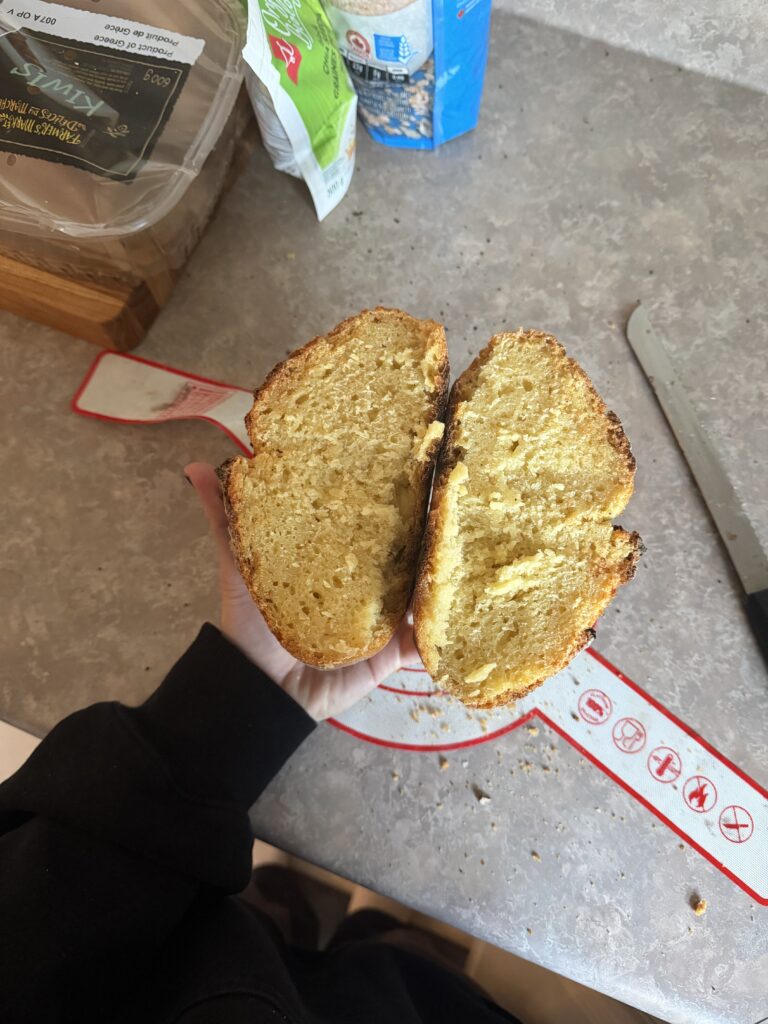
It took me a really long time to cut through the crust and low and behold, a un-airy, very dense sourdough bread. It was pretty gummy on the inside and the crust was so hard and sharp it was inedible. The bread itself when you pulled it out from the crust was okay. A bit more acidic and gummy than good sourdough but bread is bread! And this was only my second time! Not sure at all what went wrong but this is a learning curve and I can only try and do something different next time.
Week 4 Reflection


One of the biggest limitations of GenAI, especially in math, is how easy it is for it to take away the struggle that students actually need in order to learn. Math isn’t just about getting the right answer, it’s about working through confusion, making mistakes, and figuring out why something doesn’t work. AI tools are really good at giving fast and confident answers, which can be tempting for students who are stuck or stressed. When sstudents use AI as a shortcut, they get the answer without the thinking, which doesn’t help them in the long run. There’s also the issue that AI isn’t always perfect. It can give you the wrong answer, skip steps or explain things in a way that sounds right but isn’t actually solid math, which is risky at the senior level. Especially if you are already confused.


That being said I don’t think GenAI has no place in Grade 11 or 12 math. I actually think it could be really useful if it’s framed properly. One idea I liked from the Edutopia article was using AI to support productive struggle instead of eliminating it. For example, students could try a problem first, then use AI to check where their thinking went wrong or ask for a hint rather than a full solution.


In a senior math classroom I could see GenAI being used in really specific ways. Students could use it to get feedback on their own written solutions, ask for alternative methods after solving a problem, or generate extra practice questions at different difficulty levels when studying. It could also help students who are stuck rephrase a question or break a complex problem into smaller steps. I wouldn’t want AI to replace teacher instruction or problem-solving time, but used intentionally and with clear expectations, it could act as a support tool that increases confidence and engagement without removing the struggle that makes math learning meaningful.

Here is a video on an effective way to use AI in a math class!

Week 3 Reflection

I would like to teach grade 11 or 12 math. I think H5P could be really useful in senior math, especially when I think about what we’re learning around formative feedback in our assessment class. Tools like H5P make it easy to give students immediate, low stakes feedback without everything needing to be graded. This is important to check for understanding without the pressure of getting a good grade. For example, I could use interactive videos where I walk through a problem and pause to ask what the next step should be, or why a certain method works. Students can get feedback right away and can then adjust their thinking before moving on.

I could also use short self check quizzes before tests, like quick reviews on factoring, derivatives, or trig identities, where students can see what they understand and what they need to practice more of. Another example would be interactive activities like matching graphs to equations or putting solution steps in the correct order. I wouldn’t use H5P all the time, but as a formative tool for practice, review, and concept checks, it fits really well with how we’re learning about assessment for learning.

Using video or audio as an assignment in a senior math class is definitely a bit unconventional, but I actually think that’s what makes it interesting. I wouldn’t replace traditional assignments with it, but I could see it working really well as an optional extension to increase engagement. Students could explain how they solved a problem, compare two different methods, or talk through a common mistake and why it happens.

This kind of assignment pushes students and they can do more than just getting the right answer and instead start explaining their thinking, which deepens understanding. To keep it engaging and low pressure I would give students lots of choice. They could do a screen recording, draw on paper and explain out loud, or just submit an audio clip. The focus would be on reasoning, not editing or presentation. I like this as a possible optional assignment because it gives students who enjoy explaining or teaching a different way to show their learning without forcing everyone into a format they’re uncomfortable with, especially when they have so much going on already.

Week 2 Reflection


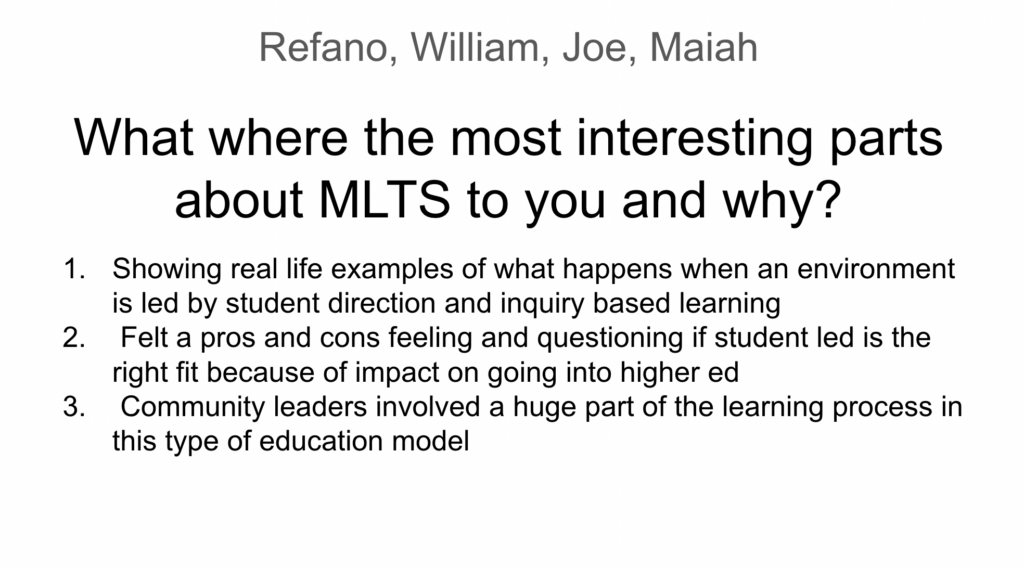
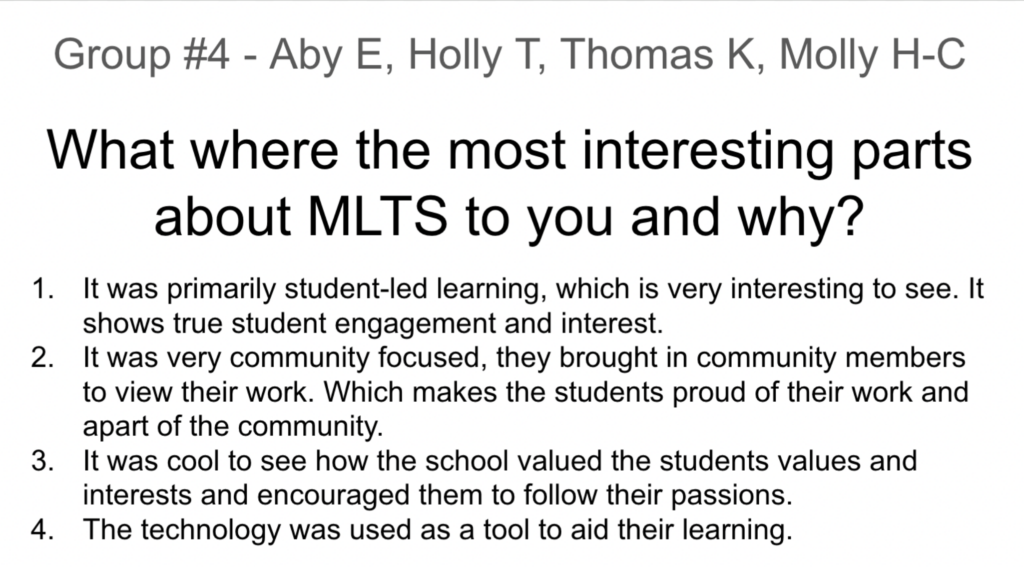
Watching Most Likely to Succeed made the ideas of student-led and inquiry-based learning feel a lot more real than just talking about them in theory. What stood out to me and to others in our class was how different the classroom environment looked when students were actually directing their own learning. One group mentioned how powerful it was to see real-life examples of what happens when learning is led by student inquiry, and I felt the same way. The students in the film didn’t seem disengaged or passive. They were curious, motivated, and clearly invested in what they were doing.

That said, the film also made me realize how hard it actually is to change pedagogy in practice. One thing that came up in our breakout room was that pedagogy works together with many other factors. To really change how teaching and learning works, a whole system needs to shift together. Universities were a big example we talked about. They tend to be very rigid, assessment-heavy, and structured around grades and deadlines, which makes inquiry-based or student-led learning harder to sustain. If higher education still values traditional measures of success, it creates pressure for K-12 schools to stick with what feels “safe.”

I also found myself feeling a bit torn, which others mentioned too. While I loved seeing real-life examples of inquiry-based learning working so well, I couldn’t help but wonder how this model fits when students transition into higher education. There are so many benefits, like collaboration, problem-solving, and confidence, but I do think age and context matter. Younger students may thrive with open-ended inquiry, while older or shyer students might need more scaffolding to navigate expectations beyond high school.

What really excited me though was how community-focused the learning was. Multiple groups pointed out how community members were invited in to view student work, and I loved that idea. It gives students a sense of pride and belonging and shows them that their work matters beyond the classroom.

At the same time, I think equity and access are important to keep in mind. Student-led learning assumes a level of confidence, support, and access to resources that not all students have. Without intentional planning, some voices could easily be overshadowed. This makes formative assessment, relationship-building, and teacher guidance even more important in inquiry-based environments.

Hearing other perspectives in our learning pod really shaped my thinking this week. It reminded me why building a strong PLN matters, because it helps surface both the excitement and the concerns instead of oversimplifying things. Learning from others makes these big ideas feel more realistic and grounded.

Here is a link to the film for anyone that wants to give it a watch.

Nicaragua Christmas!

Over winter break I went to Nicaragua for 2 weeks with my friends Ty and Ben. We spent half our time in San Juan del Sur (SJDS) and the other half in Ometepe. I wanted to share some photos here!

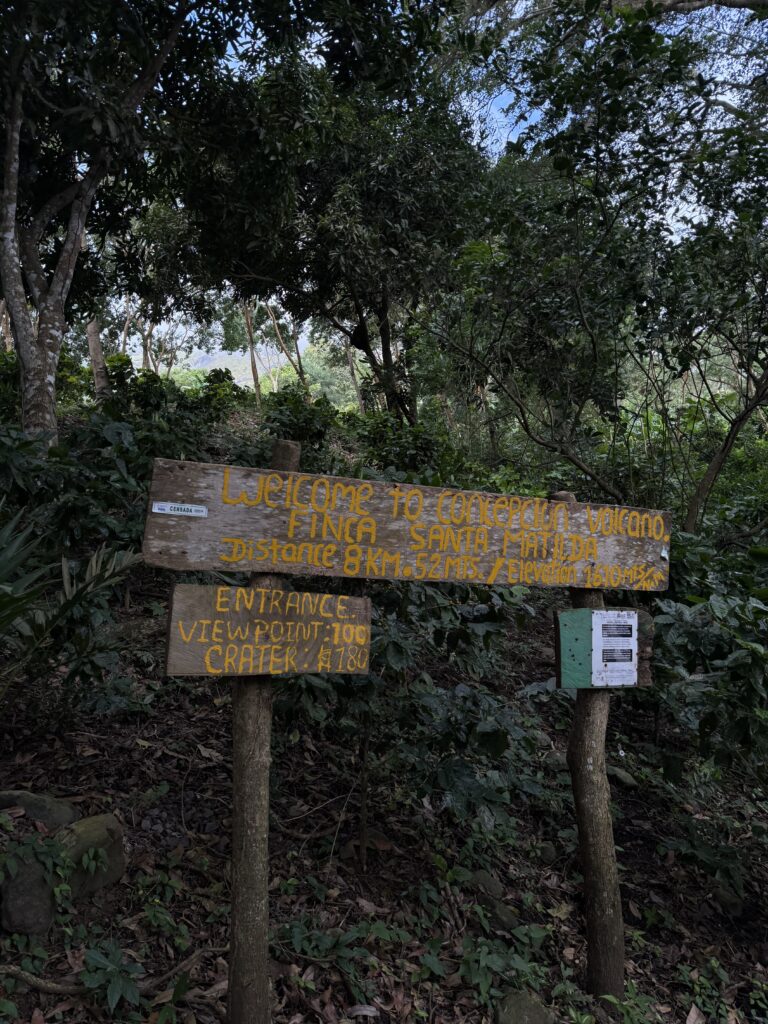
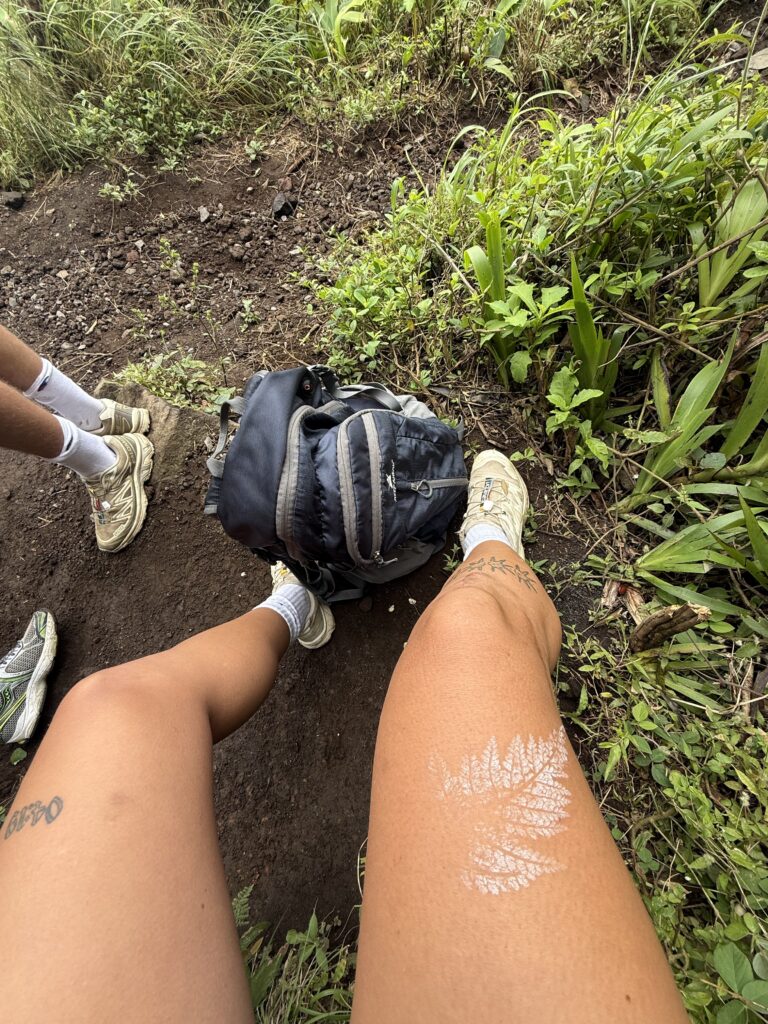
This is Concepcíon, the larger of the two volcanos that make up the Island that is Ometepe. Took us about 5 hours up and down. Exhausting but worth it!

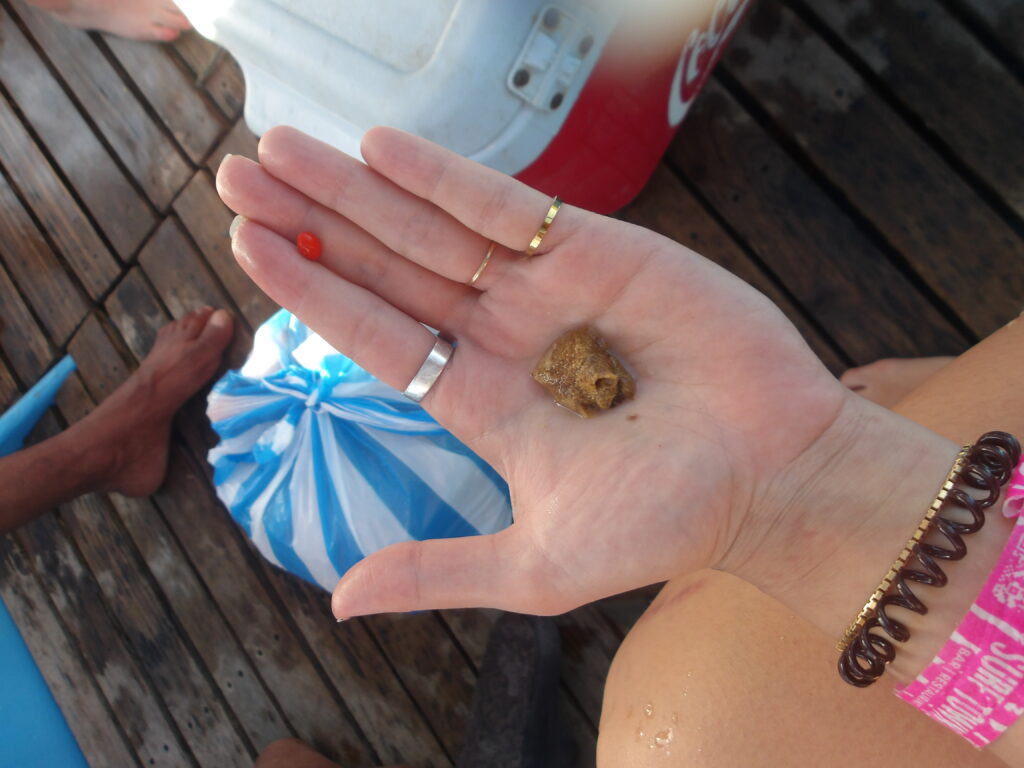
This is a sea urchin (uni) that our fishing guide caught while he was spearfishing! Got to try it for the first time and I was pleasantly surprised! Yellow and gooey but delicious.

Sailboating trip!

Newer posts »

© 2026 Kas' Tiny Fat Blog

Theme by Anders NorenUp ↑